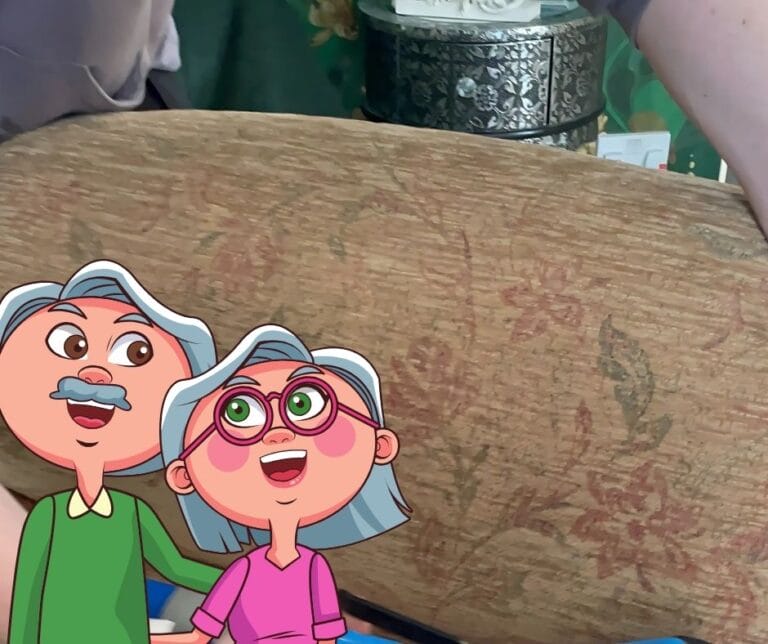
So what causes headrest marks, and can they be cleaned?
Let’s walk through it.
What causes headrest marks on upholstered furniture?
In most cases, the marks on the headrest come from a slow build-up of:
- Natural skin oils and perspiration
- Hair products (sprays, gels, or conditioners)
- General environmental dust that clings to oils
Over time, this creates what we call a body oil stain… especially visible on light fabrics or where the fibres are more absorbent (like cotton or linen blends).
The problem isn’t just surface-level dirt. The oils gradually embed into the fibres, and that’s why they darken or become sticky to the touch.
“Once it’s visible, it’s already deep enough to need a proper clean… but not all is lost.”
Why these marks more on the headrest (and not the seat)
It’s not about how often you sit… it’s about what touches the fabric. While seats often have cushions or blankets on them, the headrest is more exposed. It’s the place our skin (or hair) meets the upholstery most frequently, especially during those quiet afternoon rests or evenings watching TV.
For older adults, especially, it can be more noticeable because:
- Many products used to soothe the scalp or skin are oil-based
- Reading or watching TV might mean longer periods of gentle, still contact with the same spot
- Some materials used in comfortable furniture from earlier decades absorb oils more readily
This isn’t about poor hygiene. It’s about time, touch, and the materials we love.
Can the marks on the headrest be removed?
In most cases… yes, especially if the fabric hasn’t been damaged or the marks haven’t oxidised (turned yellow or stiffened). At Art of Clean, we use gentle, fabric-appropriate upholstery cleaning methods that:
- Lift the oils from the fibres without soaking the foam beneath
- Use pet- and people-safe solutions
- Avoid harsh chemicals that could damage delicate fabric
“We explain every step gently. There’s no pressure… just honest advice.”
We’ve successfully restored armchairs, riser recliners, and full suites across Cambridgeshire, often helping clients extend the life of pieces that hold sentimental value. Don’t worry if you’re not in our area, though, as the NCCA have a database of accredited companies across the UK!
What if it’s too late to remove it completely?
There are cases where a mark has been left for many years, or previous attempts to remove it have pushed it deeper into the fibres.
In those cases, we’ll always:
- Be honest about what’s possible
- Offer gentle restorative options (partial improvement vs full removal)
- Help you decide whether it’s worth cleaning or replacing
The key is never to rush the process. A calm, expert assessment is often all that’s needed.
What happens during a professional upholstery clean?
If you’re curious (but cautious) about what the process actually looks like, here’s a simple overview:
- Pre-inspection
We gently examine the fabric, construction, and the type of marks present. - Test area cleaning
A small, hidden spot is treated first… so you can see what’s likely. - Gentle agitation + rinse
We use soft brushes and low-moisture machines to lift oils and dirt safely. - Drying support
We never leave furniture wet. Quick-drying tools are part of our process.
You can see a more detailed explanation on our upholstery cleaning service page.
Will it need re-cleaning often?
Not at all.
If properly maintained, most upholstery only needs a professional clean every 12–18 months… unless spills or accidents happen sooner.
In fact, once we remove the build-up, many clients are surprised at how much lighter, softer, and fresher their chair feels. That headrest mark? It often disappears entirely… or fades enough to feel forgettable.
Want to understand your specific fabric?
We love this gentle, fabric-by-fabric guide from the Good Housekeeping Institute… it walks you through what each material can (and can’t) handle.
If you’re still unsure what your chair or sofa is made of, we’re happy to check during a visit.
Before you decide… here’s what we suggest
If you’ve noticed marks forming on your headrest, the best step is not to panic… and certainly not to scrub. That can set the stain further.
Instead:
- Let us inspect it gently
- We’ll explain if it’s cleanable, how much of a difference to expect, and what the options are
- No obligation… just clarity
We believe everyone deserves to feel proud of their space… especially in the rooms you relax most.
Explore how we care for all types of upholstery right here.
Final thought
Many families we help have lived with that little headrest mark for years… quietly wishing it away. But once it’s gone, they often say the same thing:
“I didn’t realise how much it bothered me… until it wasn’t there anymore.”
If that sounds familiar, you’re not alone.
We’re here when you’re ready. No rush. Just honest advice, and a clean you can feel proud of.